- Many years of expertise in sewage sludge treatment for maximum process reliability
- Lower operating costs with energy-saving centrifuges
- Worldwide service and support from local subsidiaries
More efficiency in sewage sludge treatment
Clean water is becoming an increasingly valuable raw material, which is why the importance of municipal waste water treatment continues to grow. In order to keep soil and water clean, sludges resulting from drinking water and waste water treatment must be separated as efficiently as possible. For the dewatering and thickening of sewage sludge, industrial centrifuges are now considered the state of the art. They are cost-effective, energy-saving and efficient.
Flottweg has over 50 years of experience in dewatering and thickening of sewage sludge. We are aware of the special requirements of sewage treatment plants and the water industry.
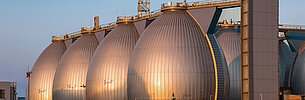
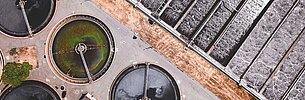



Specially developed sewage sludge centrifuges for the particular requirements of sewage treatment plants
The most important goal in dewatering is to maximize the reduction of the volume of sewage sludge. The reason for this is that every tenth of a percent increase in dry solids in the sludge reduces the costs of sludge disposal. The dewatering decanters of the C-series and X-series reduce operating costs and energy consumption and achieve a higher dry solids content.
During thickening, a high degree of separation and a low polymer consumption are extremely important. Both relieve the burden on subsequent process and improve the overall performance of the waste water treatment plant. Flottweg decanters for sludge thickening concentrate the dry solids content of the sewage sludge to a few percent.
Our decanter centrifuges can also be used for optimum sludge thickening using polymer-based starch flocculants. Starch polymer is largely degradable and very good values can be achieved with our decanters.
The treatment of drinking water produces waterworks sludge. Decanter centrifuges are used to reduce the cost of transport and landfill of the sludge produced. They increase the dry solids content and at the same time reduce the amount of polymer required.
Operating costs significantly reduced
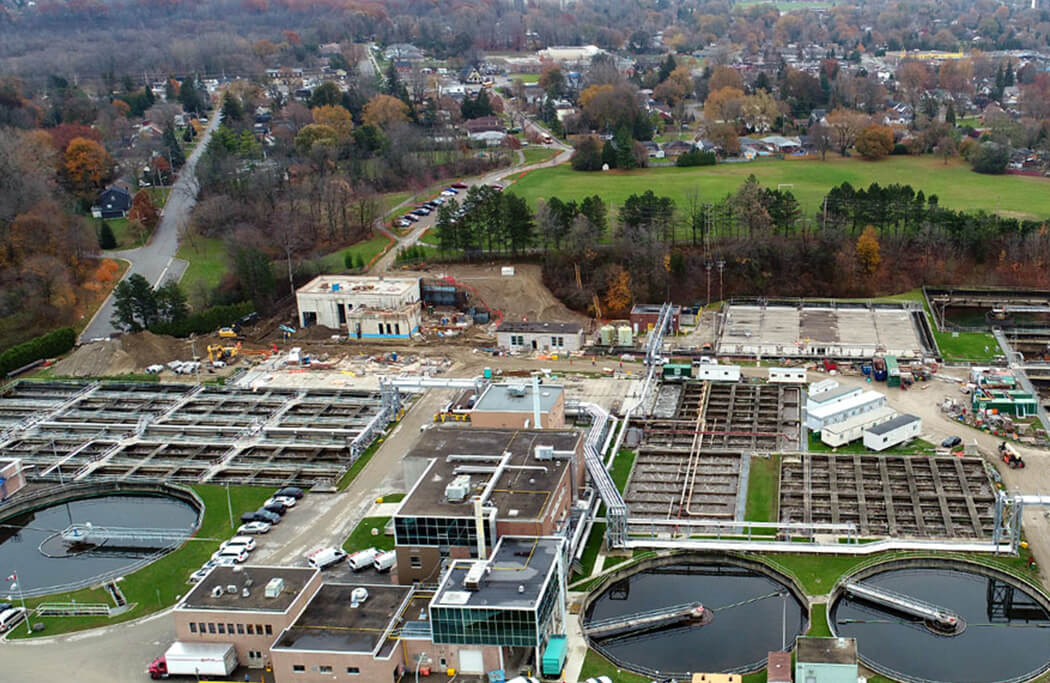
The Greenway WWTP is the largest sewage treatment plant in the city of London (Ontario, Canada) and treats approximately 170 million liters of wastewater daily. Belt filter presses were originally used for sludge dewatering, but their performance did not meet the plant’s requirements.
By using Flottweg centrifuges, the solids content of the sewage sludge was increased to approximately 26 percent. As a result, no additional fuel is required for the fluidized bed incinerator. The result: a significant increase in efficiency and annual savings of approximately CAD 900,000.
Flottweg - there for you worldwide
Numerous centrifuges are used worldwide in a wide variety of waste water treatment applications in sewage treatment plants. Through our numerous branches and service companies all over the world, we are there where you need us. Benefit from our decades of experience in sewage sludge treatment. Then get in touch with us!
Get advice from our experts now