


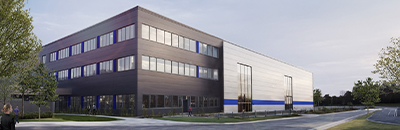
- 2,000 m² Innovation Center for Customized Separation Technology
- Process solutions with comprehensive testing prior to investment
- Comprehensive development & optimization, including scale-up and hygiene concepts
Flottweg Process Center
Custom process development & pilot-scale testing – from the lab to industrial-scale solutionsAt the Flottweg Process Center, you can develop your application in a practical setting, under realistic conditions, and before investing in a plant. Together with our specialists, we map out complete process flows, assess technical feasibility, and optimize every single step from the initial laboratory test to the pilot scale. Across approximately 2,000 square meters, state-of-the-art laboratory and testing facilities, as well as flexible setups, are at your disposal to specifically test and further develop customer-specific solutions.
Thanks to the close integration of the laboratory and pilot plant, you quickly receive well-founded and reliable results regarding the feasibility, design, and efficiency of your separation processes. This is how we lay the foundation for sound investment decisions, more efficient processes, and sustainable economic success.
Optimize your processes – minimize risks
An overview of our services

Feasibility and Scale-up Tests
From the laboratory to the pilot scale, we test the feasibility of your application under realistic conditions. You’ll receive well-founded results that serve as the basis for reliable transfer to industrial processes.

Process and Recipe Development
Together, we develop and optimize your processes. This results in a solution that is precisely tailored to your needs and enables the optimal design of your machines and systems.
Process Optimization
We analyze your processes to optimize them in terms of efficiency and performance.
Flexible Test Setups
Custom test setups enable tailored solutions for a wide variety of applications. Existing systems are flexibly combined and supplemented with additional equipment as needed.
Expert Insights
Stefan Bichlmeier: “Customers can validate their processes under real-life conditions and make investment decisions based on reliable data.”
Read the full interview here
Dr. Mathias Aschenbrenner: “The customer has always been the focus of the planning. The optimized flow of personnel and goods not only allows the customer testing to take place much more efficiently, but also enhances the preparation and follow-up processes.”
Read the full interview here
Stefan Bichlmeier: “The customer was always at the center of our considerations during the planning phase. On the one hand, we want to process the diverse products and applications in the best possible way in order to optimally serve the needs of our customers.”
Read the full interview here
From concept to solution
- Inquiry and Goal Definition: Your inquiry is received by the sales department, and we work together to define the specifics. During this process, we define the goal, product, scope, and appropriate level of testing.
- Laboratory and Analysis: Initial analyses and feasibility tests are conducted in the laboratory using small quantities. This allows for early conclusions to be drawn regarding material properties and process potential.
- Pilot Plant and Pilot Test: In the next step, processes are tested in the pilot plant under conditions that closely resemble real-world conditions. Here, various machines, process variations, and configurations can be tested.
- Analysis and Recommendations: Based on the test results, you will receive reliable recommendations regarding process performance, efficiency, and optimal design.
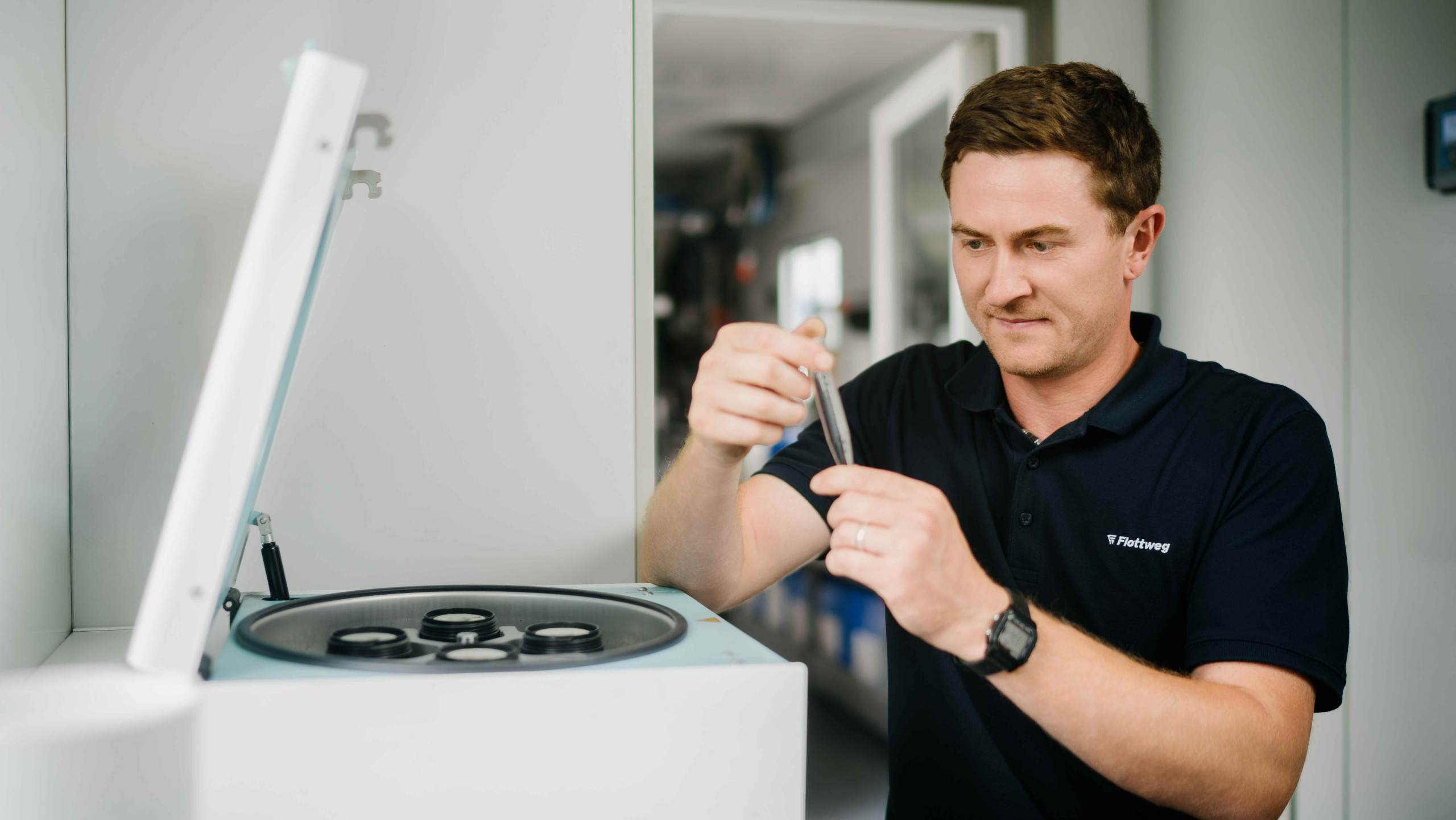
Investigation of Solid-Liquid Separation of Customer Samples Using the Hettich Rotofix 32A Laboratory Centrifuge
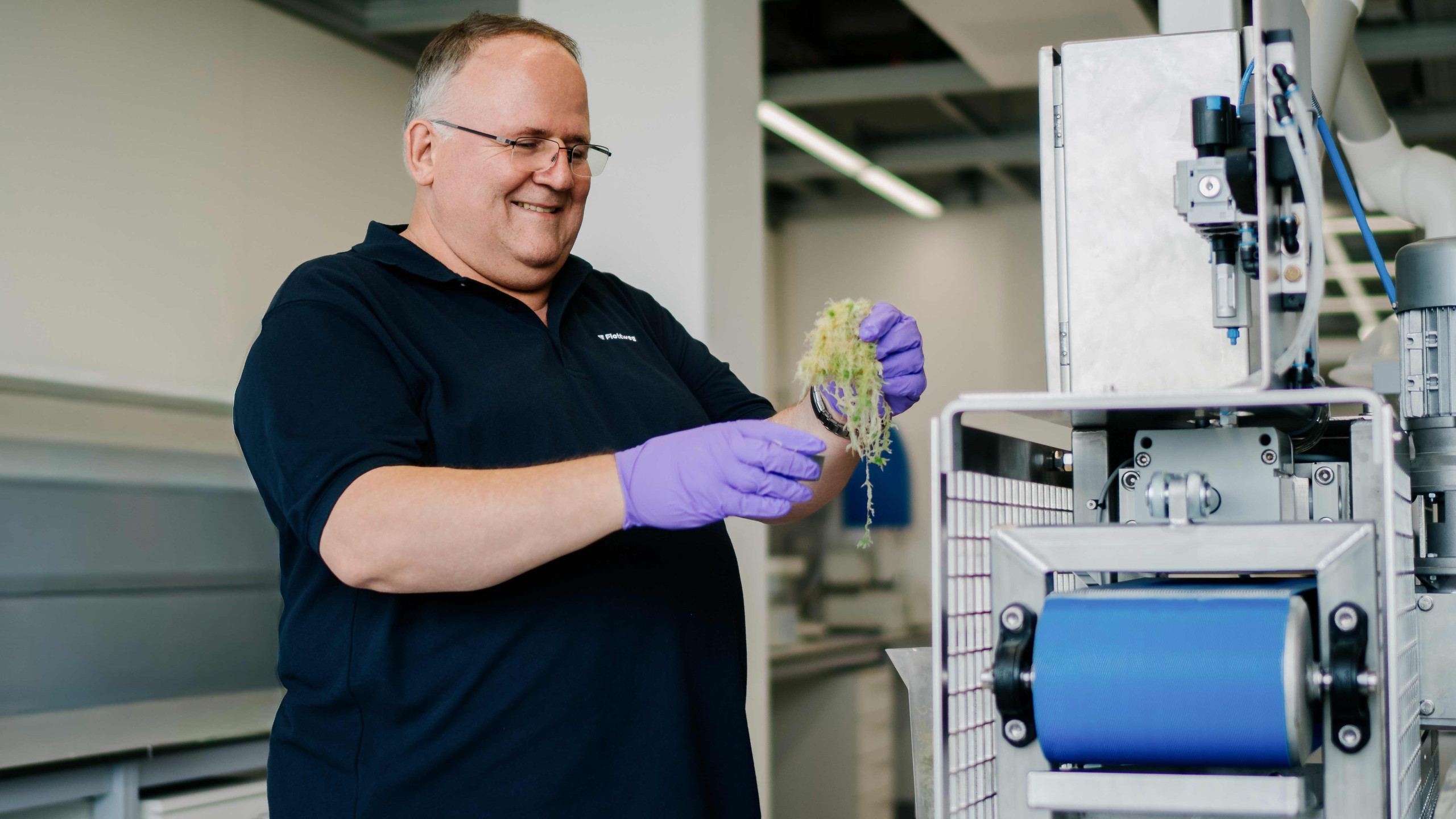
Conducting pressing tests using a laboratory belt press to determine optimal process parameters for continuous solid-liquid separation
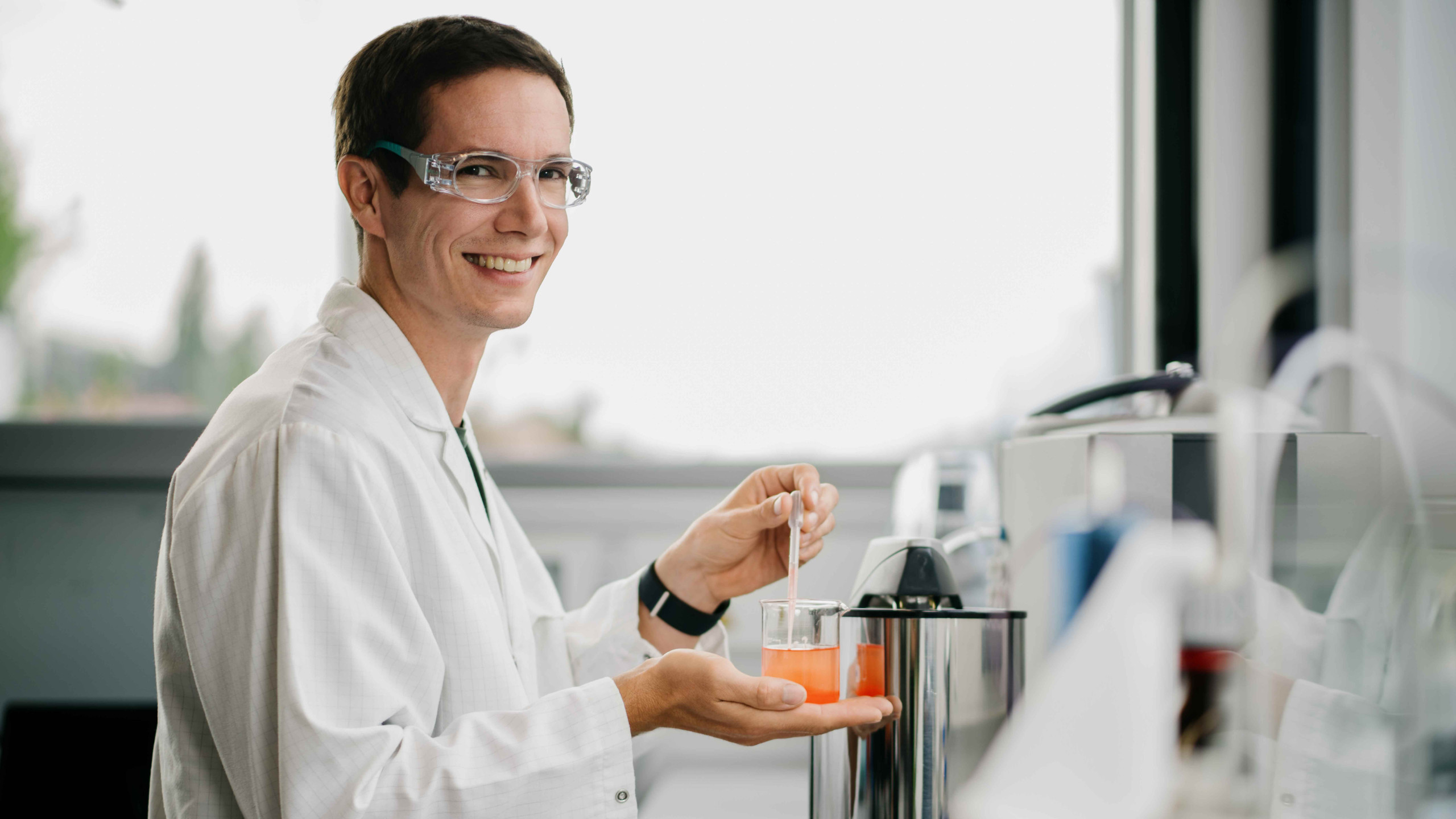
Determination of Particle Size Distribution in Aqueous, Oil- or Fat-Containing, and Powdered Samples Using the Malvern Panalytical Mastersizer 3000 in Accordance with DIN ISO 13320
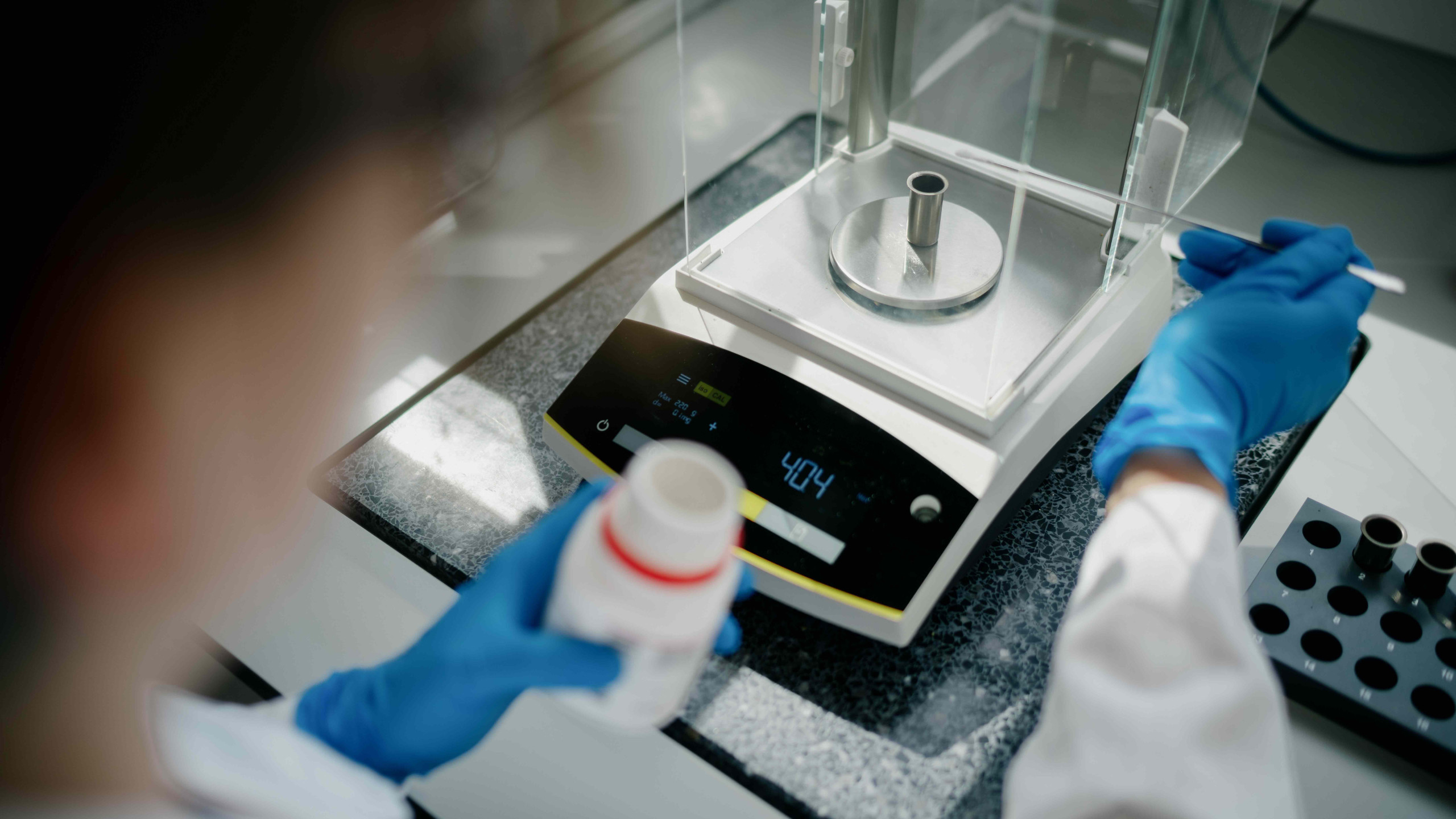
Sample preparation for measuring the nitrogen content of protein and wheat flour samples using the Elementar rapid MAX N exceed nitrogen analyzer
What does the Process Center offer?
The Process Center offers ideal conditions for flexible and practical tests. Thanks to the combination of modern infrastructure and short distances between all areas, projects can be carried out efficiently and developed rapidly.

Test Site & Areas
- 2,000 m² of testing, laboratory, and pilot plant space
- Three times the testing capacity compared to before
- Strict separation of clean and non-clean areas

Machines & Design Flexibility
- Permanent equipment: Sedicanter®, Tricanter® / Decanter (2-/3-phase), steep/flat cones, Sorticanter®
- Additional pilot and rental systems can be set up at short notice
- Micro-scale tests: Lemitec MD100 & laboratory belt press
- Flexible integration of additional equipment or components

Hygiene & Cleaning
- CIP system for automatic cleaning and for validating cleaning effectiveness as part of a FAT
- Industrial refrigeration and freezing capabilities
- Hot water supply for the entire process
- Wastewater treatment with neutralization

Laboratory analysis (short distances)
- Possible methods: Particle size analysis (laser diffraction), protein analysis (DUMAS), rheology / LUMisizer
- Advanced analytical services through partner laboratories
- Short distances between the laboratory and the pilot plant
Our Laboratory Analyses
- Determination of the physical parameters of two-phase and three-phase samples (otal dry residue, total suspended solids, total dissolved solids, pH value, chloride content, electrical conductivity, turbidity, residues after ignition, sand content)
- Measurement of fat content in animal and vegetable fats and oils, as well as in oil sludge, using the traditional Soxhlet method or the solvent-free CEM Oracle method
- Determination of water content in three-phase samples using Volumetric Karl Fischer Titration
- Determination of particle size distribution using Malvern Panalytical Mastersizer 3000 in accordance with DIN ISO 13320
- Analysis of the rheological behavior of two-phase and three-phase samples using the Anton Paar MCR 302 Rheometer or the RheoLab QC Viscometer
- Measuring the nitrogen content in protein and wheat flour samples using the Elementar rapid MAX N exceed nitrogen Analyzer
- Determination of quantity and quality of gluten protein in wheat, flour, and meal using the Glutomatic System
- Measurement of gluten quality in wheat flour, wholemeal flour and baking mixes using the GlutoPeak System
- Measurement of wastewater-related parameters such as phosphate, ammonium, nitrate, calcium, magnesium, or COD using the WTW photoLAB 6100 VIS Photometer
- Conducting pressing tests using a laboratory belt press to determine the optimal process parameters for continuous solid-liquid separation
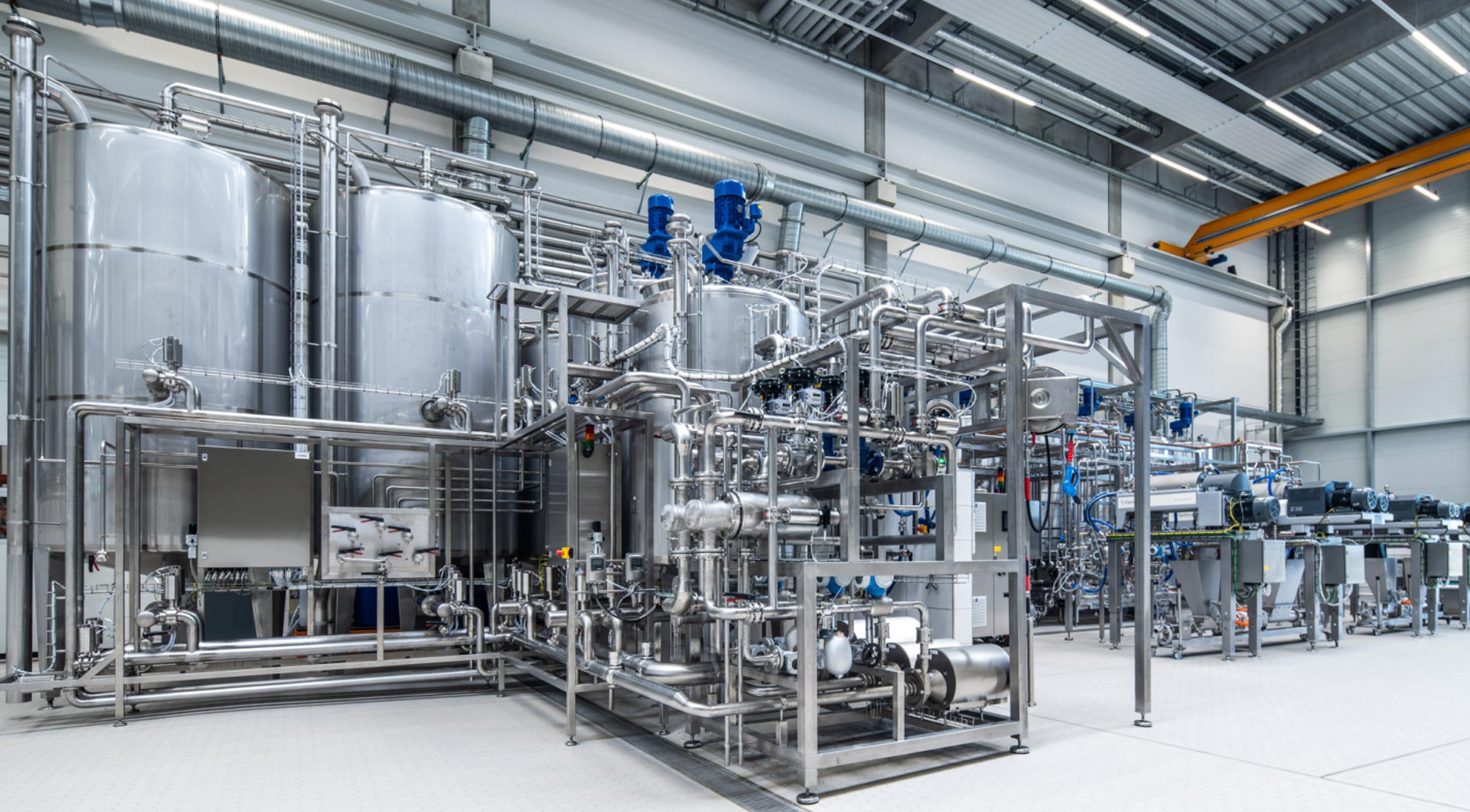
Hygienic Applications in the White Area
The white area is designed for hygienic applications in the food industry. These include, in particular, processes involving vegetable proteins and starch, as well as applications in flour laboratories and food processing.
A special focus is placed on multi-stage process cascades, such as countercurrent protein washing. In addition, process steps such as pH dosing and mass balance monitoring via load cells can be specifically integrated. Complex process flows can thus be realistically simulated and precisely analyzed.
Combining specially designed systems, hygienic infrastructure, and flexible experimental setups makes it possible to test processes under realistic conditions and refine them in a targeted manner. This yields reliable results for the design and optimization of applications in the food industry.
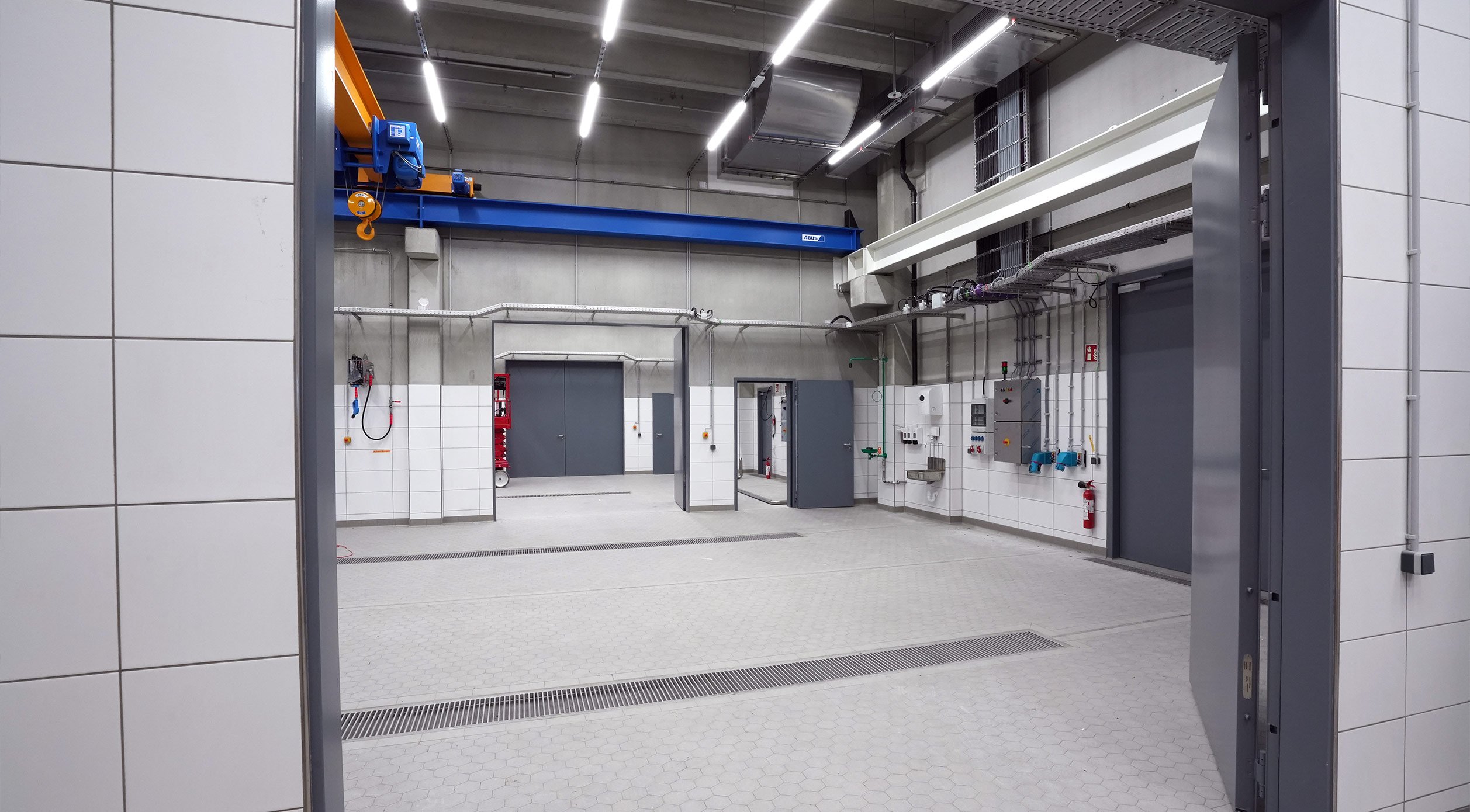
Industrial Applications in the Black Area
The black area is designed for non-hygienic applications and features separate test areas as well as a customized media supply system. This allows industrial applications to be tested safely and under realistic conditions within defined parameters.
Key areas of focus include plastic separation as well as applications involving mineral oils and other industrial products. Even strong-smelling materials can be processed using special ventilation and exhaust systems.
The equipment and infrastructure in the black area make it possible to examine different materials under real-world conditions and to flexibly analyze and optimize processes.
Why Flottweg? - Your Benefits at a Glance
Flottweg combines technological expertise with practical process development. The Process Center is designed to test customer applications under realistic conditions, refine processes in a targeted manner, and develop reliable, cost-effective solutions based on these findings.
- High flexibility in experimental setups and process variants
- Process engineering expertise across all process steps
- By combining batch and, in partial cases, continuous operation, the system allows for flexible test conditions
- High process and tank capacities for realistic testing
- Customized experimental designs for targeted process optimization
- Various machine combinations and models are available, including decanters, separators, Sedicanter®, and Tricanter®
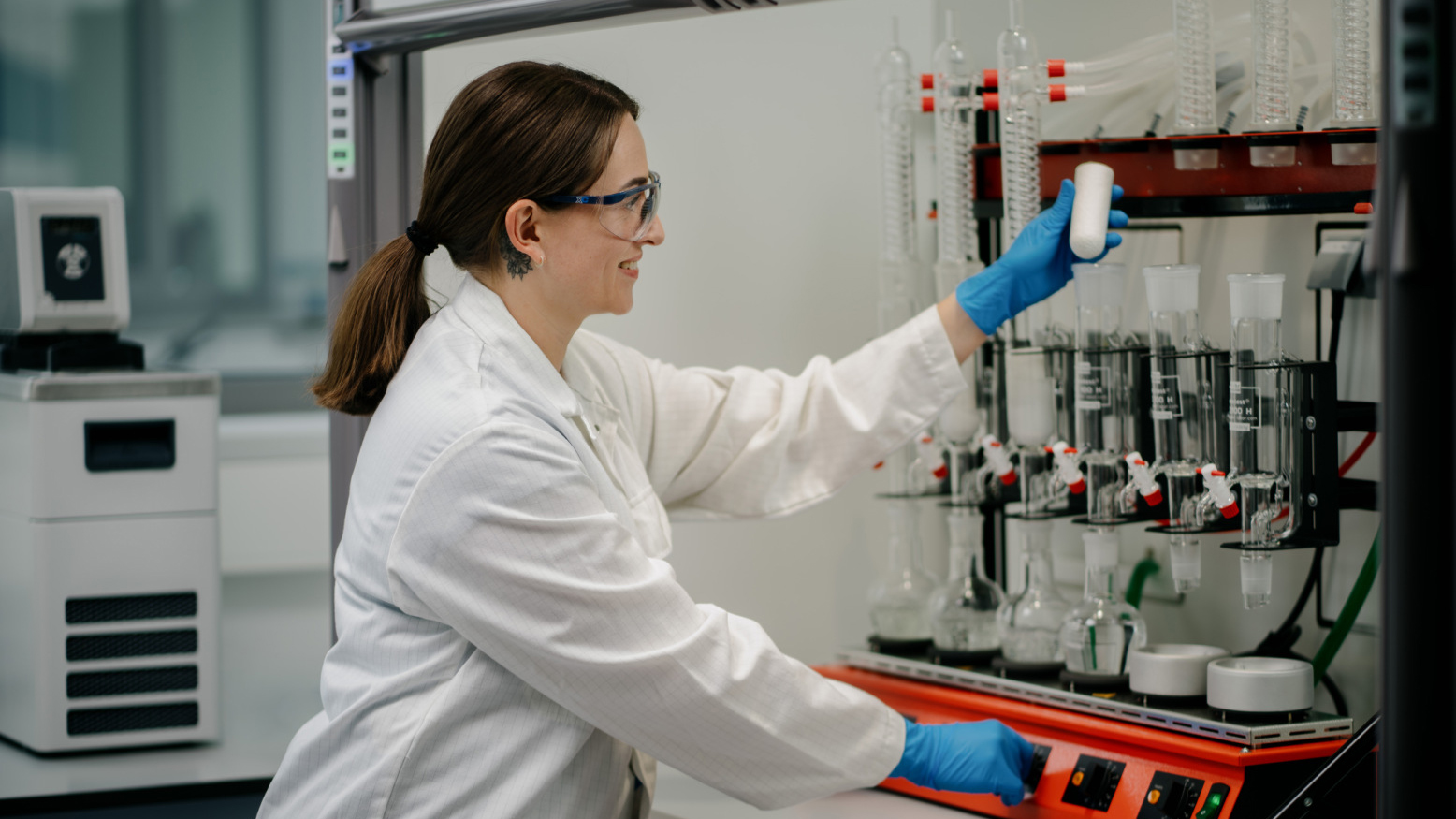
Measurement of Fat Content in Animal and Vegetable Fats and Oils, as well as Oil Sludge, Using the Classical Soxhlet Method
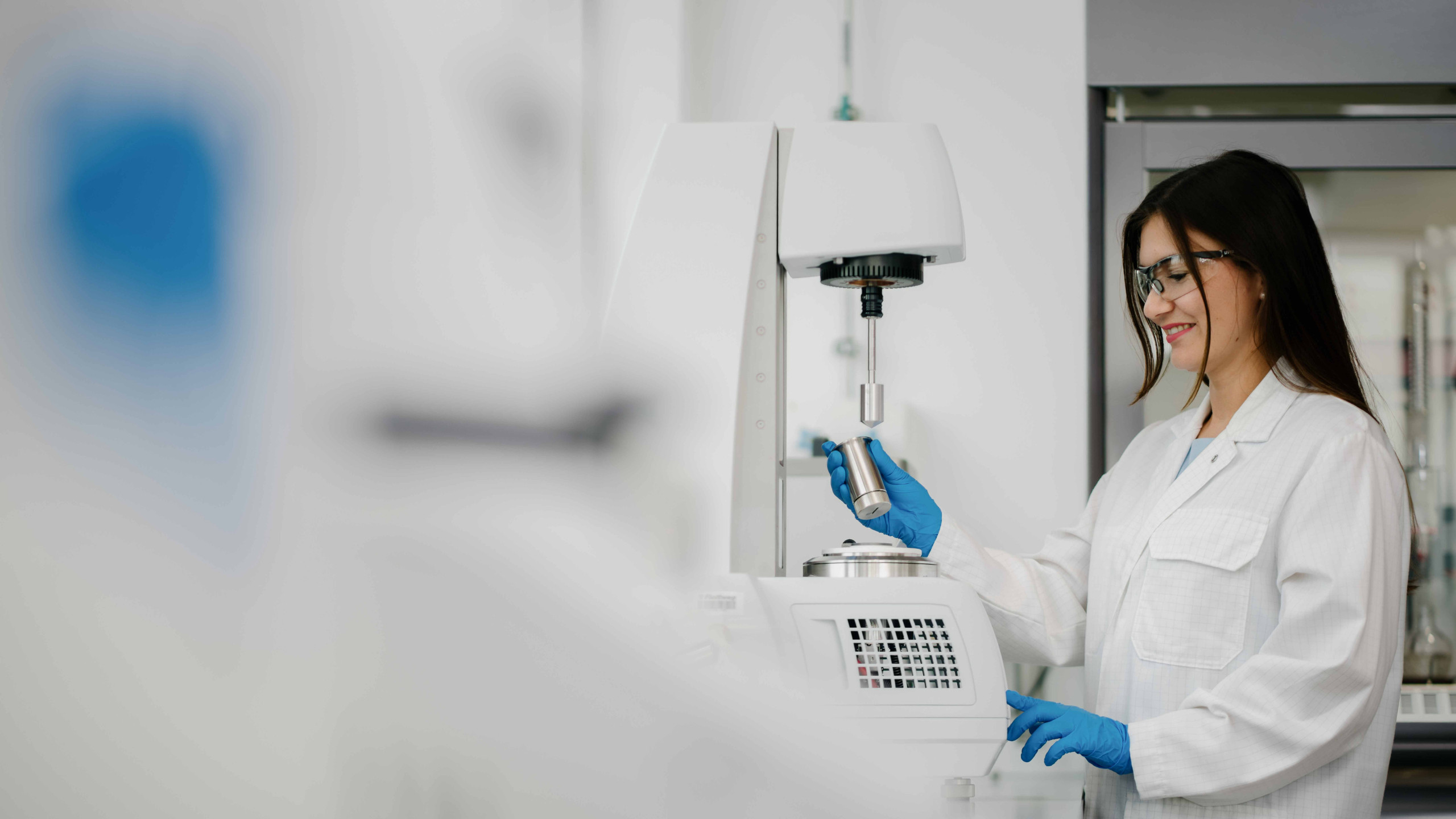
Investigation of the Rheological Behavior of Two-Phase and Three-Phase Samples Using the MCR 302 Rheometer
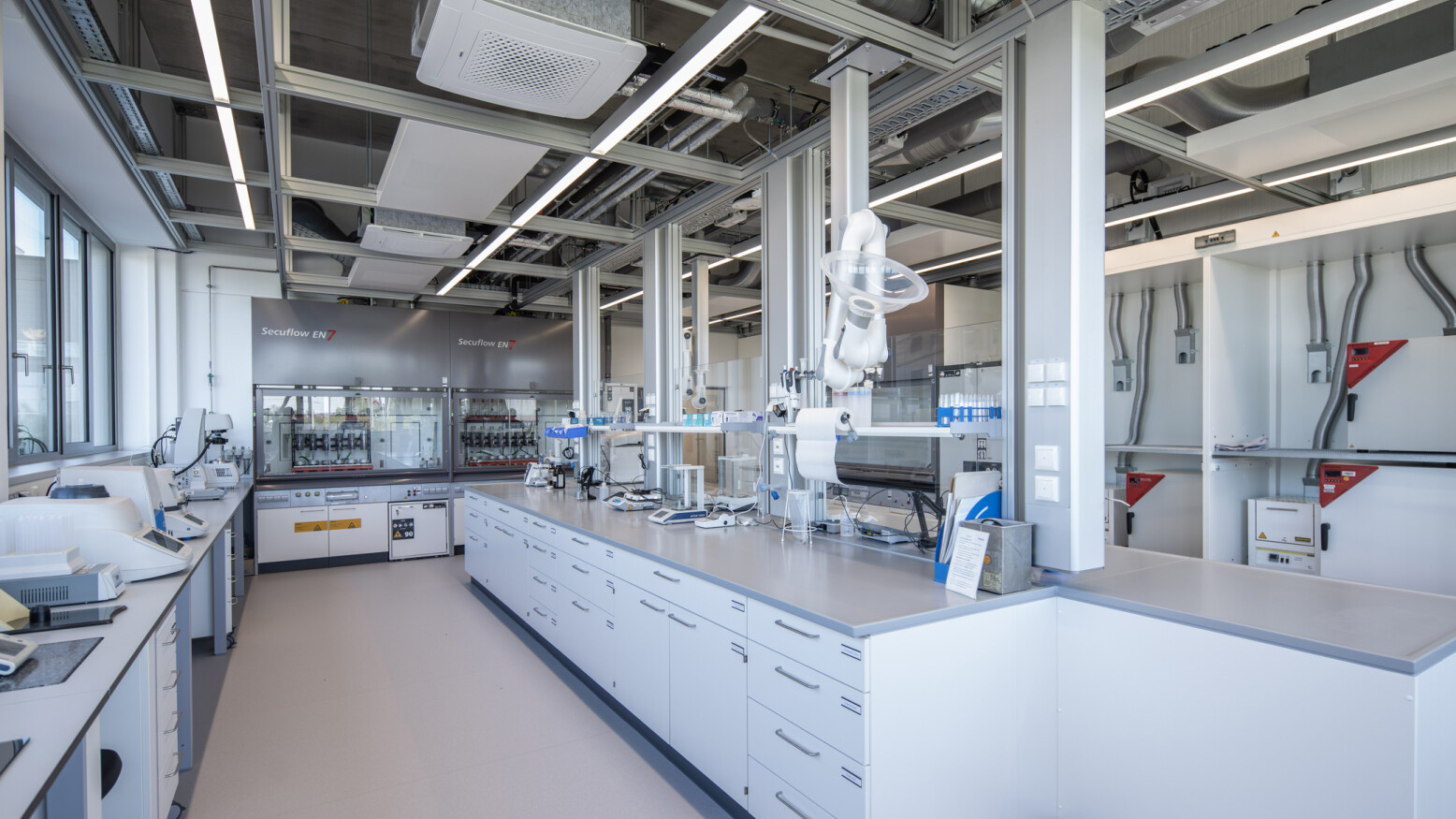
White Area of the Flottweg SE Laboratory in Vilsbiburg
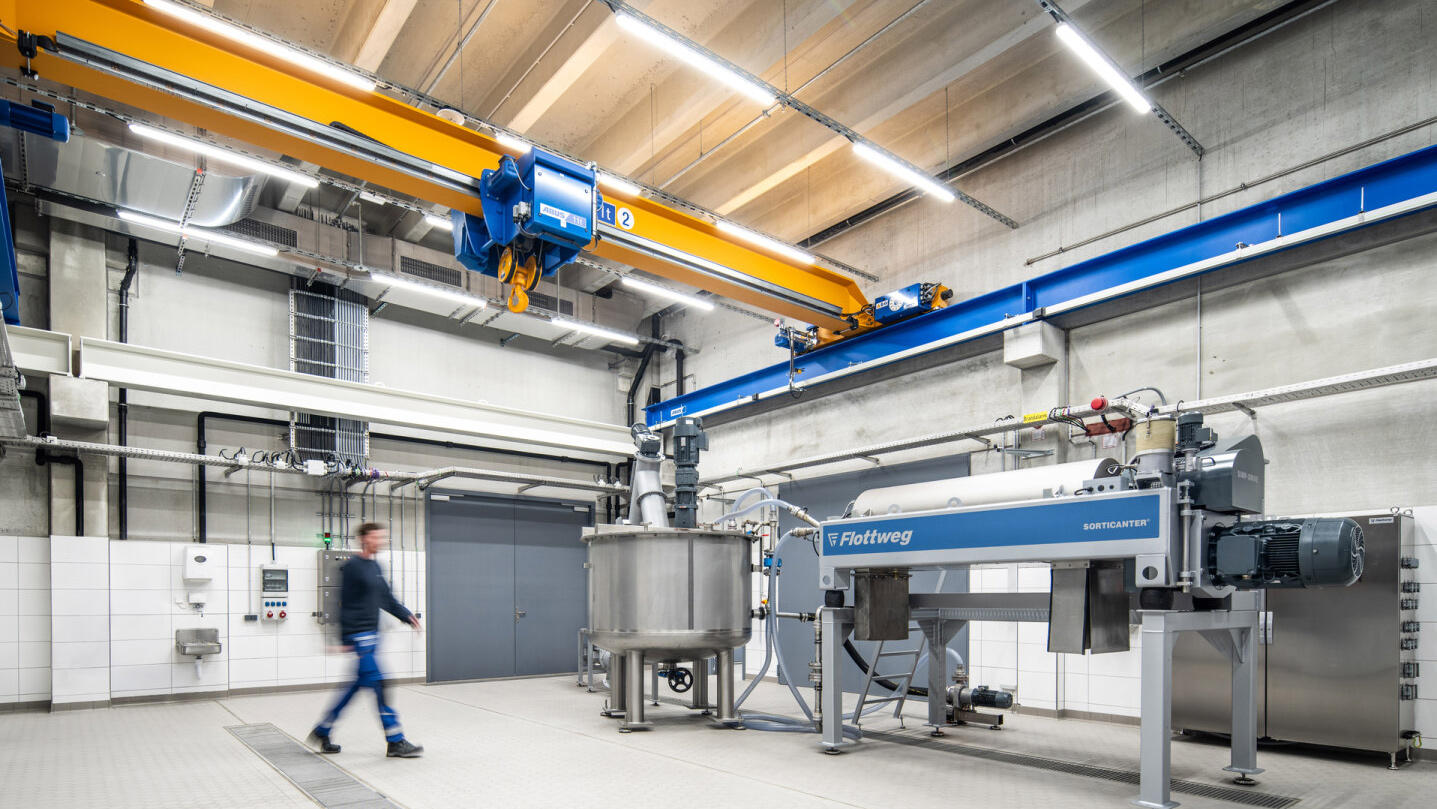
Black Area of the Flottweg SE Laboratory in Vilsbiburg
Frequently Asked Questions – FAQ
The specific planning of the test procedure strongly depends on the intended objective, the sample characteristics, the sample size, and many other criteria. Therefore, coordinating the general conditions with your contact person early on is the foundation for a successful test.
Your contact person will provide you with a questionnaire to gather all the necessary information. Please provide as accurate and detailed information as possible so that the test procedure can be tailored to your needs and designed to achieve the desired results.
For the safety of everyone involved, a hazard assessment of the test material must be completed in advance—even for samples that are presumed to be harmless. If a safety data sheet exists for your product, it is important to provide it as early as possible.
Transfer the test material into suitable containers designed for this purpose. Be sure to label each sample container clearly and adequately. Please also allow for any necessary headspace. Sample containers must not be under pressure!
If the test material needs to be cooled, heated, or treated in a similar manner, please let us know in advance.
The required sample volume depends on the planned scope of the test and the specific application. It can range from a few liters for laboratory samples to several cubic meters or tons.
Your contact at Flottweg will coordinate the required volumes with you in advance to ensure that you achieve optimal test results.
Yes. You are more than welcome to observe the tests on-site so that you can evaluate the results together with the Flottweg specialists and directly participate in shaping the test parameters.
Traveling by car:
Flottweg Plant 2 is easy to reach by car via the B299. Free visitor parking is available directly on site. For navigation, please enter the following destination address into your GPS: Baumgartenstraße 29, 84137 Vilsbiburg.
Traveling by train:
If you are traveling by train, the recommended route is via Landshut (Bay) Hauptbahnhof. From Munich Central Station or Munich Airport, there are direct connections to Landshut. In Landshut, change trains and continue toward Vilsbiburg, for example on the regional line RB45 in the direction of Mühldorf/Salzburg. From Vilsbiburg station, Flottweg Plant 2 can be reached conveniently by taxi in around five minutes.
Find your connection here: Deutsche Bahn
Traveling by plane:
The nearest international airport is Munich Airport. From there, you can reach Vilsbiburg either by rental car or by train via Landshut (Bay) Hauptbahnhof.
Please check in at the front desk upon your arrival. There, you will receive your visitor pass. You will then be greeted by your contact person and provided with all the necessary information for your stay at the Flottweg Process Center.
The specific personal protective equipment required depends on the application and test area. Safety shoes are mandatory; however, we recommend that you bring your own shoes. Other required protective equipment, such as protective eyewear, protective clothing, or hearing protection, will be determined on-site and can be provided by Flottweg if necessary. Restrooms are available for changing into work clothes. Lockers for storing personal belongings are also available there.
Photography and video recording on company premises are strictly prohibited.
However, we will be happy to provide you with images of the test environment and the resulting products upon request. The test report also includes images of the most important analyses and product characteristics.
Once the tests are complete, our process and application specialists conduct a detailed analysis of the data and results obtained. You will receive a comprehensive summary of the test results, including all relevant process parameters, product qualities, and performance metrics.
Based on these results, we can develop specific recommendations for machine selection and design, process design, or operating parameters. This provides you with a sound basis for decision-making regarding investments and the subsequent industrial implementation or expansion of your process. We are also happy to support you, as needed, with further tests, scale-up projects, or the transition to production scale.